Spiders do not read property lines, and Fresno’s heat, irrigated landscapes, and long dry season invite them into yards, sheds, and garages. Most spiders around the Central Valley are harmless and even helpful. Still, a garage crawling with long-bodied cellar spiders or a yard webbed across walkways makes daily life annoying. A handful of species, especially black widows, raise the stakes for families with pets or young kids. Keeping spiders in check here requires a steady routine, not just a one-time spray. What works in April often needs a tweak by August, and the habits that keep webs down in a Clovis cul-de-sac differ from what’s needed near canal banks or older downtown blocks.
I have spent warm summer nights moving boxes in garages, brushing down rafters, and shining a headlamp into voids. The pattern repeats: where clutter accumulates and light draws insects, spiders settle in. Where irrigation leaks and stacked firewood create moist microclimates, they thrive. The best spider control in Fresno blends housecleaning fundamentals, practical repairs, and targeted treatments, backed by eyes-on inspections. Whether you handle it yourself or call a provider for pest control Fresno CA residents trust, the techniques below reflect what works on the ground.
How Fresno’s Climate Shapes Spider Activity
Spiders go where prey is plentiful and conditions are stable. In Fresno, irrigation runs through the hottest months, so lawns, planter beds, and drip lines create insect oases. That insect pressure, combined with warm nights, means spider activity stays high from late spring through early fall. Garages and sheds remain cooler during the day and warmer at night than open air, providing a gentle temperature swing that suits web-builders.
Black widows often flourish within six to eight inches of the ground, tucked behind stored items, under lip edges, and beneath step risers. Orb weavers favor eaves, fence corners, and the open frames of pergolas where cross breezes bring flying insects. Long-bodied cellar spiders cluster around ceiling joists and light fixtures. In dry years, the hunt for water draws prey insects to AC condensate lines and leaky hose bibs, followed by spiders a week later. After the first cool nights, you’ll often see webs multiply inside garages, as spiders follow crickets and moths toward indoor warmth.
Understanding that chain - water and lights attract insects, insects attract spiders - helps you prioritize actions. If you solve the conditions that feed prey, spider numbers drop without a heavy chemical footprint.
Yard Habits That Reduce Webs Without Over-Spraying
Most spider problems start outside. The yard sets the baseline, and small changes here pay dividends in the garage. Think of it as adjusting the menu. You want fewer flying and crawling insects around the foundation and entry points, which means disciplined yard care.
Start with irrigation. Overwatering, especially with poorly calibrated sprinklers that wet siding and the base of garage walls, pumps humidity where it does not belong. Shift schedules to early morning and check coverage zones. Drip lines should not soak mulch against the slab or the wooden footings of fences. Fix leaky hose bibs with a new washer and consider a short gravel buffer, four to six inches, between garden soil and hardscape. That narrow stone belt dries quickly after watering and discourages both prey insects and the spiders that chase them.
Lighting comes next. Bright white floodlights above garage doors are moth magnets. Swap to warm LEDs in the 2700 to 3000 Kelvin range, and aim them down rather than outward. A motion sensor reduces run time. The difference on a summer evening can be dramatic. I have replaced bulbs for clients and watched moth counts drop by half in a week, which means fewer fresh webs every morning.
Finally, address structure around the yard perimeter. Firewood stacked against the garage wall sets the stage for spiders and scorpions. Elevate firewood on a rack and move it ten or more feet away if possible. Yard clutter, like leaning pallets, kids’ plastic playhouses, and spare pavers, creates dark pockets spiders love. If you need to store items, keep them off the ground and away from the slab, and rotate them quarterly so webs, egg sacs, and debris do not build up unnoticed.
Garage Zones: Where Spiders Hide and Why
Garages in Fresno act like Swiss army knives. They store holiday décor, tools, paint, sports gear, and sometimes a chest freezer, which means lots of voids and temperature gradients. Spiders do not just fill space at random. They prefer stable zones that provide both attachment points and steady prey pathways.
Look along the top edges of walls where the gypsum meets joists. Long-bodied cellar spiders spin shaggy webs here, especially near fluorescent fixtures and pull-chain lights. If you can see a silvery net three feet wide dusted with insect parts, chase it back to the corners. For widows, scan low. They build messy, three-dimensional webs near the ground, often under shelving with a front edge that gives them a drop zone for catch threads. Use a flashlight to check behind the base of water heaters and below the lip of cabinets. In roll-up door tracks, occasional sac spiders hide and roam at night.
Air gaps matter. If the weatherstrip along the bottom of your garage door has splits, crickets and beetles will walk right in, followed by spiders. If the side seals are missing, moths swirl in at dusk as the door opens. Where electrical conduits penetrate the wall, unsealed edges become highways for small insects. Patching those openings cuts insect traffic more than any single spray application.
The Black Widow Reality Check
Widows deserve respect without panic. In Fresno, adult females show up in and around garages from late spring through fall. You know the profile: glossy black body, round abdomen, and the red hourglass under the belly. They prefer low, sheltered spots. I often find them under the ledge of a step, along the edge of a bag of potting soil, or beneath stacked garden trays. If you reach blindly into a dark gap, you increase your chance of contact.
When I inspect for widows, I use a headlamp and a stick to agitate webbing. Widows set very tough, irregular silk that crackles when disturbed. If the silk feels like fishing line and doesn’t brush off easily, be cautious. Wear gloves when moving stored items and lift from the top instead of sliding a hand underneath. When you locate a widow in a garage, a direct contact spray labeled for spiders, applied carefully, dispatches it. Follow by removing egg sacs, which look like tan or grey puffs slightly larger than a pea, and bag them before discarding.
A thorough widow cleanup includes proactive cleanup of their food supply. Crickets, isopods, and small roaches draw them in. If you suspect broader insect pressure, this is a good moment to coordinate with an exterminator Fresno homeowners recommend for integrated service. Many providers bundle spider control with ant control Fresno neighbors often need in the same season.
Cleaning Methods That Actually Knock Down Populations
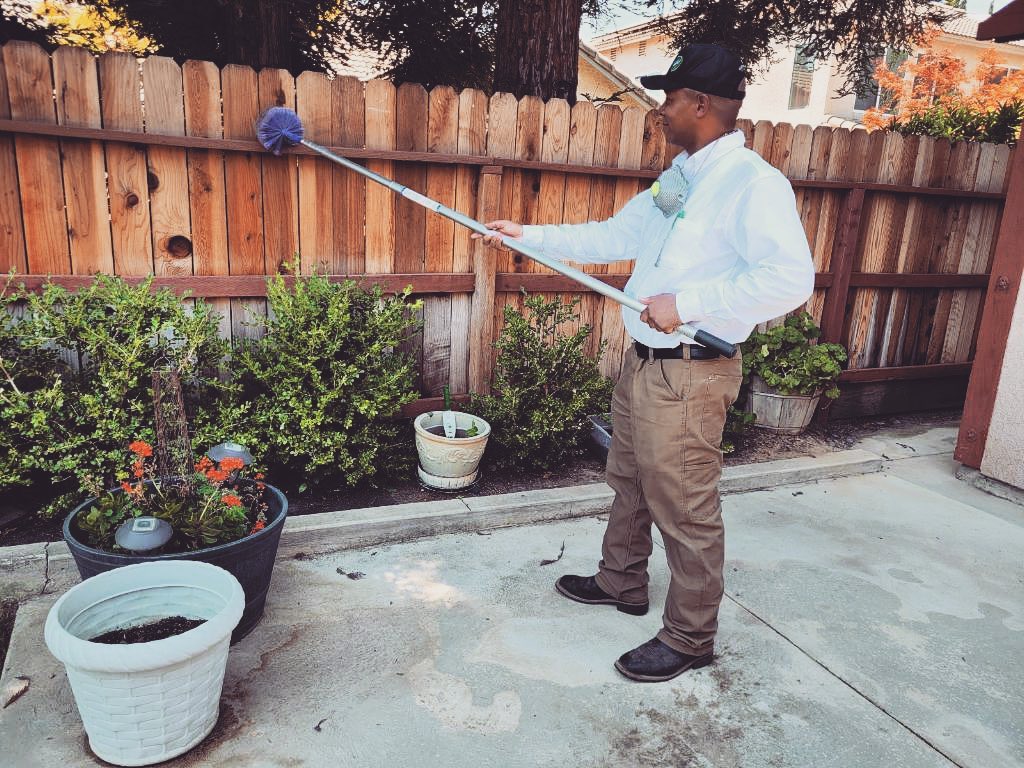
Weekly dusting and seasonal deep cleans work better than random bursts of effort. The right tools matter. A stiff-bristle cobweb brush on a long pole reaches rafters and the tops of garage door rails. Vacuuming webbing and egg sacs with a shop vacuum reduces reattachment. If you sweep webs down without removing eggs, you only relocate the problem.
Start high, then go low. Knock down the ceiling-level webs first, paying attention to light fixtures, open joists, and the interior surface of the roll-up door. Vacuum afterward. Then move to shelving and the gaps under storage. Pull items forward six inches and inspect the backside. Replace cardboard boxes with plastic bins that seal. In Fresno’s heat, cardboard absorbs moisture and sags, while plastic stays clean and discourages nesting.
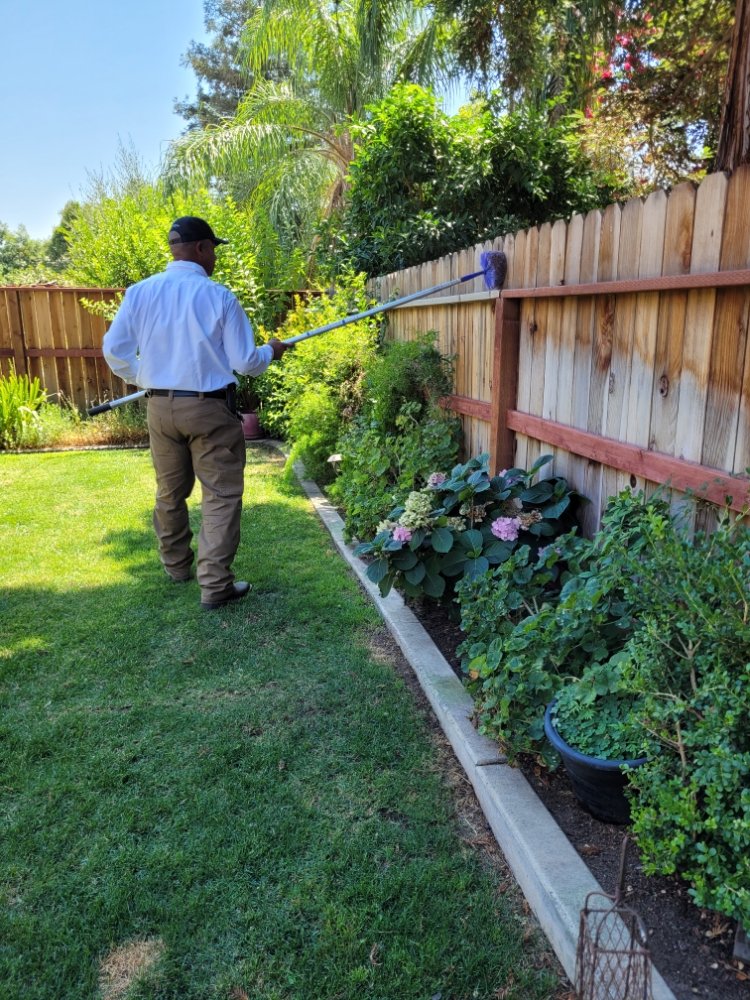
Outside, concentrate on eaves, stucco ledges, fence joints, and porch lights. A monthly brush-down in summer keeps webs from hardening into that dusty veil that catches on your face and hat brim. You can finish with a light rinse from a hose, just not late in the day. Water lingering into the evening attracts gnats and mosquitoes.
For anyone who would rather not spend Saturday mornings on a ladder, many pest control Fresno companies offer exterior web removal as part of service. If you want the best pest control Fresno can provide for recurring spider pressure, ask about scheduled de-webbing around eaves and light fixtures coupled with targeted insecticide around base perimeters.
Sealing and Small Repairs With Oversized Impact
I have seen weatherstripping close out more spiders than gallons of spray. The bottom seal on a garage door gets brittle in Fresno’s sun and leaves a wavy gap that insects exploit. Replace it with a fresh rubber T-style insert, properly sized to the door width. Check side seals and the top seal where the door meets the header. With the door closed, look for daylight. Any line of light is an invitation.
Penetrations through the wall should be tight. Expandable foam works for big voids around pipes, but use it carefully. For smaller gaps, a high-quality silicone or polyurethane sealant holds up to heat. Around windows and side doors, add door sweeps and fresh thresholds. If you can slip a credit card under the door, insects will follow.
Vent openings above garages often have coarse screens that allow larger insects through. Upgrade to a finer mesh without restricting airflow. If the garage has an attic access hatch, weatherstrip that hatch so insects hunting cooler air do not drift down every evening.
These fixes reduce the base flow of prey insects, which helps every other method perform better. When a homeowner calls an exterminator near me and asks for spider control, I always suggest we start with a fifteen-minute walkaround to spot gaps and broken seals. Treatments last longer when the building envelope cooperates.
Chemical Control With Restraint and Precision
Spiders resist broad-spectrum insecticides more than many pests because they do not groom themselves like roaches or ants. They need to contact particles directly, or the product has to intercept them on their travel routes. An exterior perimeter application around the foundation, slab, door thresholds, and the lower edge of siding helps by reducing prey insects first. Focus on the bottom one to two feet of walls, the edges where concrete meets soil, and the zones around light fixtures and trash bins. Inside the garage, go light and targeted. Treat cracks, expansion joints, and corners where webs repeatedly appear.
For widows, a direct-contact approach works. Many ready-to-use sprays list spiders on the label. Always follow the instructions, ventilate the area, and keep pets out until dry. Glue boards near door corners and along walls can help you monitor activity as long as you place them where dust and leaves will not render them useless. They work best as an early warning rather than a solution.
If the garage doubles as a workshop with finished interiors or valuable items, consider partnering with a professional for pest control Fresno options tailored to sensitive spaces. Ask what products they use, whether they rotate active ingredients across seasons, and how they approach integrated pest management rather than blanket applications. A good exterminator explains trade-offs and avoids heavy residue in places where you handle tools or store food.
When DIY Is Enough, and When to Call for Help
Most homeowners can handle the routine: seal gaps, adjust lighting and irrigation, de-web monthly, and place a few glue monitors. If you keep seeing fresh widow webs every week despite those steps, or if you find multiple egg sacs clustered in a single zone, the population is entrenched. That is the time to bring in a provider for exterminator Fresno service with a plan, not a one-time spray. If you also see cockroaches racing across the garage floor at night, hire a cockroach exterminator in tandem. Reducing roach pressure undercuts the spider food source. If rats or mice leave droppings along the base plate, rodent control Fresno CA teams can seal and trap, which again helps with spiders by eliminating prey.
Ask a few focused questions before you sign:
- What do you include in spider control: de-webbing, exterior perimeter, interior spot treatments, and follow-up visits? How do you address lighting and moisture contributors that feed prey? Do you document structural gaps and recommend repairs as part of the service? What is the service cadence during peak season, and can we scale back in winter to inspections only? If I call between visits due to a widow sighting, how quickly can you respond?
You can learn a lot from how a company answers. The best pest control Fresno residents refer to neighbors blends predictable schedules with flexibility during heat waves and after irrigation changes. You want a provider who sees the whole system, not just the spider.
Safety Notes for Families, Kids, and Pets
Gloves and a flashlight are non-negotiable. Leather or thick synthetic gloves protect against accidental contact in tight spaces. When you move items, especially those stored low, lift and pull toward you so you can see what was concealed. Teach kids to avoid putting fingers into gaps around stored sports gear or toolboxes. If you run a tumble dryer with a vent that exits the garage, check the vent flap for webbing that restricts airflow. On summer nights, keep garage doors closed as much as possible to avoid the moth rush.
For chemical products, read labels, use minimal amounts, and ventilate. Keep baits and glue boards out of pet routes. If you suspect a widow bite - sharp pain at the site, cramping, sweating, or nausea in the hour after contact - seek medical advice immediately. Serious outcomes are rare, but prompt attention matters.
The Seasonal Rhythm: What to Do and When
Early spring is the time to reset. spider control Replace weatherstrips, reseal gaps, swap bulbs, and power-brush eaves. Thin yard plants that press against the garage wall. When you pivot into summer, maintain de-webbing every two to four weeks and confirm irrigation is not wetting walls. By August, add a quick flashlight sweep under shelves and stacked items every couple of weeks, since widows peak then.
When temperatures drop, spiders shift inside. Late fall is a good time to reorganize the garage, elevate stored boxes, and purge cardboard. As rains begin, fix any splash-back from downspouts. Inside, maintain a dry floor by improving drainage at the driveway apron if pooling water lingers after storms.
A simple service cadence looks like this: exterior perimeter treatment quarterly, with an extra visit in midsummer if pressure spikes; interior spot treatments as needed; de-webbing monthly from May through September; and a structural inspection in early spring. If you handle it yourself, set calendar reminders. Skipping a cycle often means playing catch-up.
What Results Look Like
Realistic expectations prevent frustration. Even with good habits, spiders will visit. The goal is to reduce web density and shift them away from high-touch zones. After a month of steady work, you should see fewer fresh webs on light fixtures and under shelves, and it should take longer for new webs to appear after you brush them down. Widow sightings should drop to rare events rather than weekly encounters. In well-tuned garages, you may still find occasional orb weavers at the eaves outside, which is not a problem if they are not blocking entries or child activity areas.
I have seen homeowners go from fifteen minutes of web removal every weekend to a quick five-minute sweep every other week. That is success. When the flow of moths at night falls and crickets no longer chirp from the base of the garage wall, you know your foundation is solid.
Edge Cases: What Trips People Up
A few patterns cause chronic headaches. First, landscaping that hugs the garage walls, like thick rosemary or jasmine, keeps moisture and insects close, undoing your sealing work. Trim or relocate those plants. Second, old refrigerators or freezers in the garage with condensation and sticky door gaskets become micro magnets for small flies and ants. Clean coils, wipe gaskets, and check drip pans.
Third, hobby spaces with constant evening light and open garage doors create a buffet line. If you like to work late, add a screen panel or a portable screen curtain to the opening so you get airflow without an insect parade. Fourth, cardboard. It cannot be stressed enough how many webs gather behind sagging, damp boxes. Convert to plastic bins and keep them two inches off the floor on simple plastic risers.
Finally, nearby rodent activity amplifies spider issues. Mice and rats draw gnats, cockroaches, and pantry moths. Rodent control Fresno CA professionals can eliminate that driver, and you will notice spider numbers drop alongside.
DIY Toolbox That Pays for Itself
A small kit covers most homeowner needs:
- Long-handle cobweb brush with replaceable head. Shop vacuum with a fine dust filter and a narrow nozzle. Replacement garage door bottom seal and side weatherstrips. Silicone sealant, a caulk gun, and a utility knife. Warm-temperature LED bulbs, 2700 to 3000 Kelvin, with motion sensors.
Set aside an hour the first time. After that, you will spend ten to twenty minutes per session. If that sounds like a lot, compare it to navigating webs every time you grab the camping gear. A tidy garage is a safer garage, and most of the steps you take for spider control improve air quality and reduce general pest pressure.
Working With a Professional Without Losing Control
Some homeowners prefer a partner who can take the heavy lift while they handle simple upkeep. When you evaluate pest control Fresno providers, ask for transparency. A good company will suggest non-chemical fixes, explain product choices, and map a schedule that matches your property. They should also provide a written service report with findings after each visit. If a company only talks about how strong their product is, keep interviewing. You want someone who understands that spider control is mostly about interrupting the food chain and limiting harborages.
If you have complex pressures - for example, a detached garage near an irrigated orchard, or a rental property with inconsistent tenant housekeeping - a steady contract makes sense. The best pest control Fresno teams do more than spray. They coordinate with you on storage layout, coach on lighting, and adjust timing around your irrigation schedule.
A Fresno-Specific Mindset
Fresno’s heat, dust, and irrigation rhythms make spider control a year-round habit. There is no silver bullet, but there is a reliable blend that works across neighborhoods: dry the foundation perimeter, dim and warm the lights, seal the gaps, sweep and vacuum with purpose, and go precise with treatments. Keep the garage organized so you can see what is going on. If the pressure spikes, bring in an exterminator for calibrated support.
Spiders will always occupy the edges of our spaces. The goal is to keep them in the hedges and rafters and out of the paths we walk every day. With a disciplined routine and a few smart adjustments, yards and garages around Fresno can stay clear, safe, and easy to use.